The Characters
The characters of Blackwood Forest each symbolize a unique set of personalities, attributes, and function to the forest and the story. Scroll down this page to learn each character's personality, what they symbolize, and their unique function as you journey with them through The Whispering Trees of Blackwood Forest.
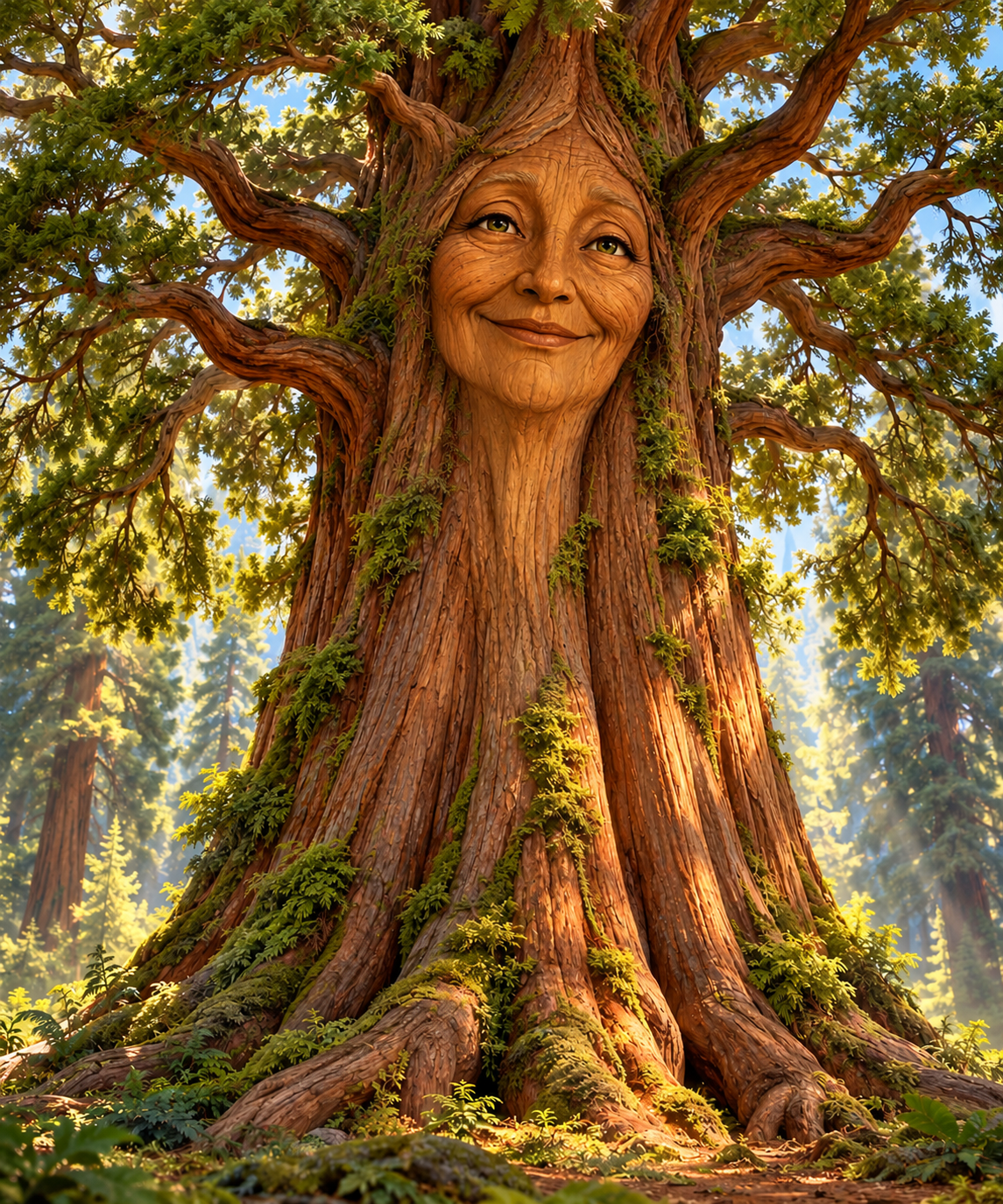
Mother Sequoia: Giant Sequoia tree. She's the largest, oldest tree in a forest that acts as a central hub for surrounding trees. Symbolizes: Motherhood, Parenting.
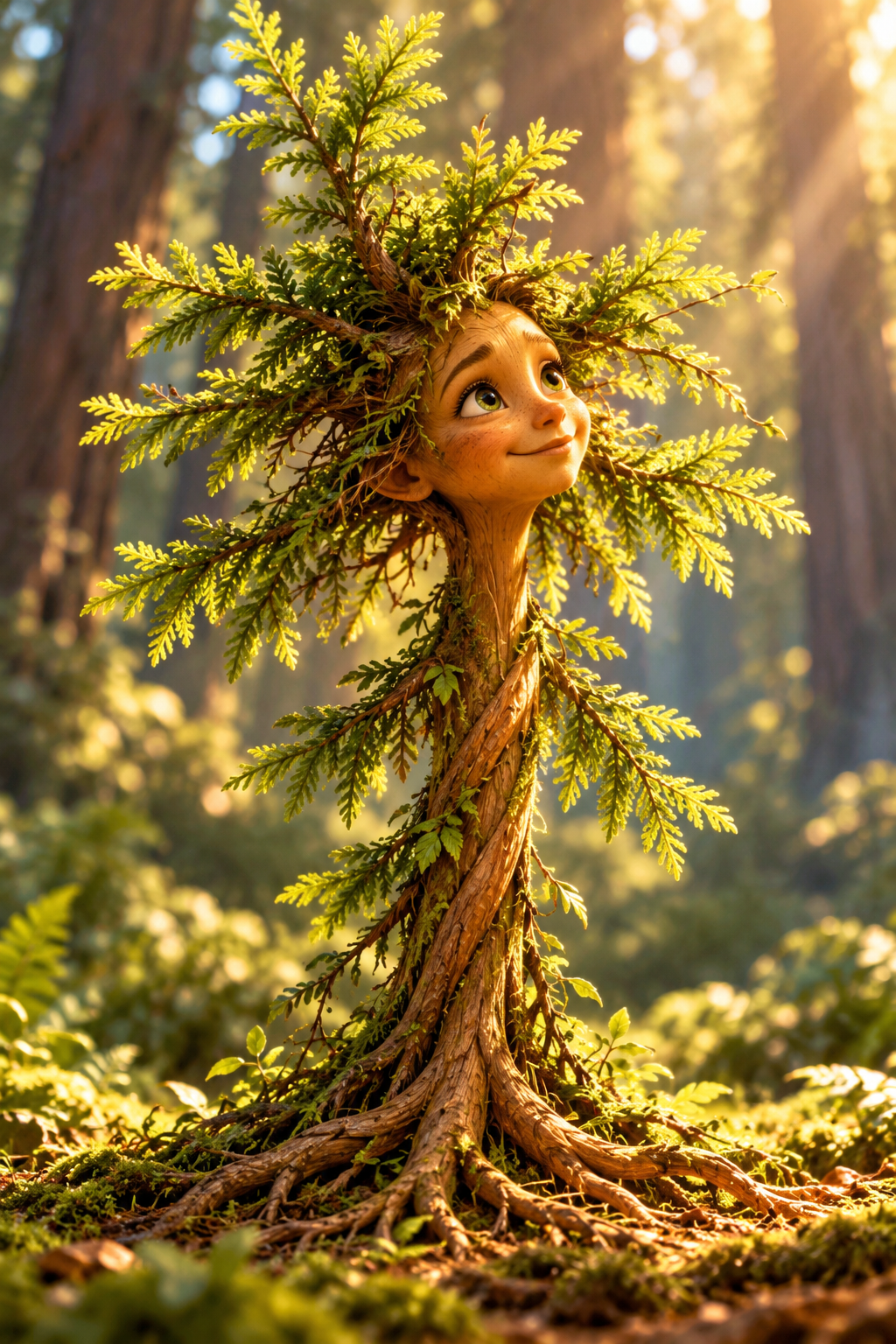
Sierra: Giant Sequoia Sapling. A young member of the forest whose developing roots connect with the underground network. Serra represents the connection of forest life and resource exchange between plants. Symbolizes: Childhood, Learning
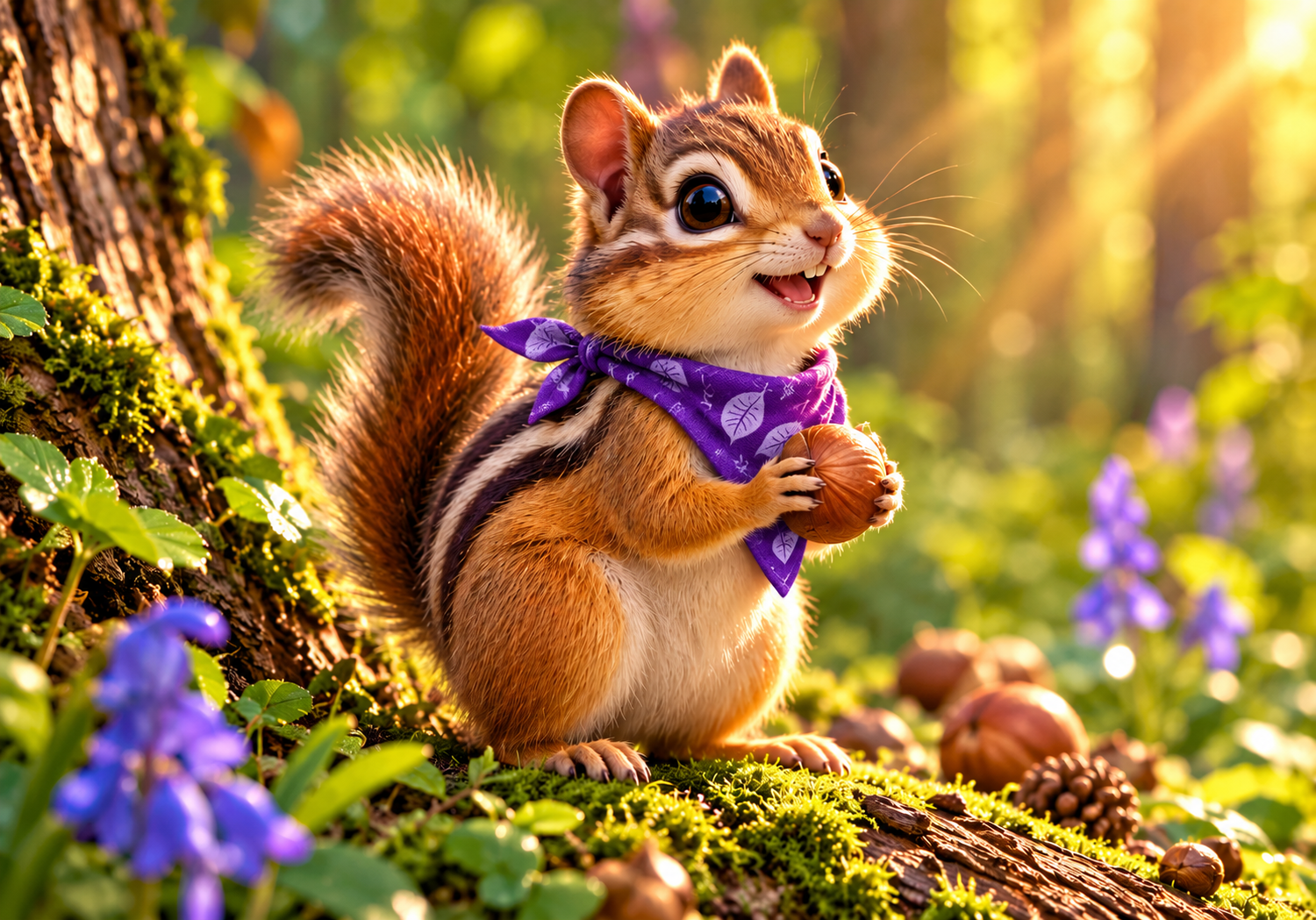
Nutmeg: Yellow-cheeked chipmunk. Nutmeg models community intelligence, showing how even small, anxious members of a forest survive through awareness, cooperation, and timing. Symbolizes: Timid Socialization.
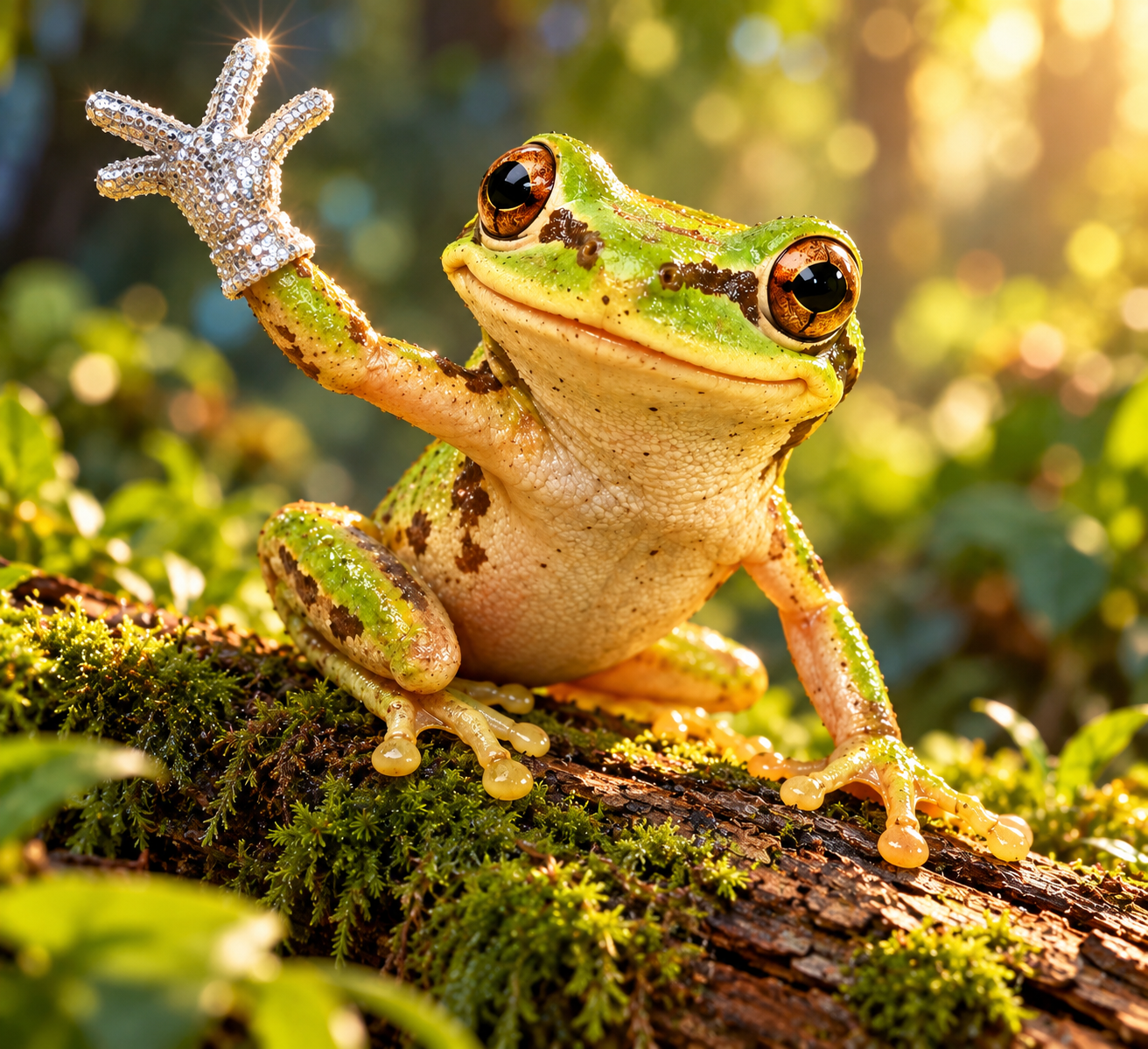
Paqua: Pacific Tree frog. Paqua emphasizes that friendships are not bound by appearances, backgrounds, or, in many cases, species. Symbolizes: Embracing Diversity and Inclusion.
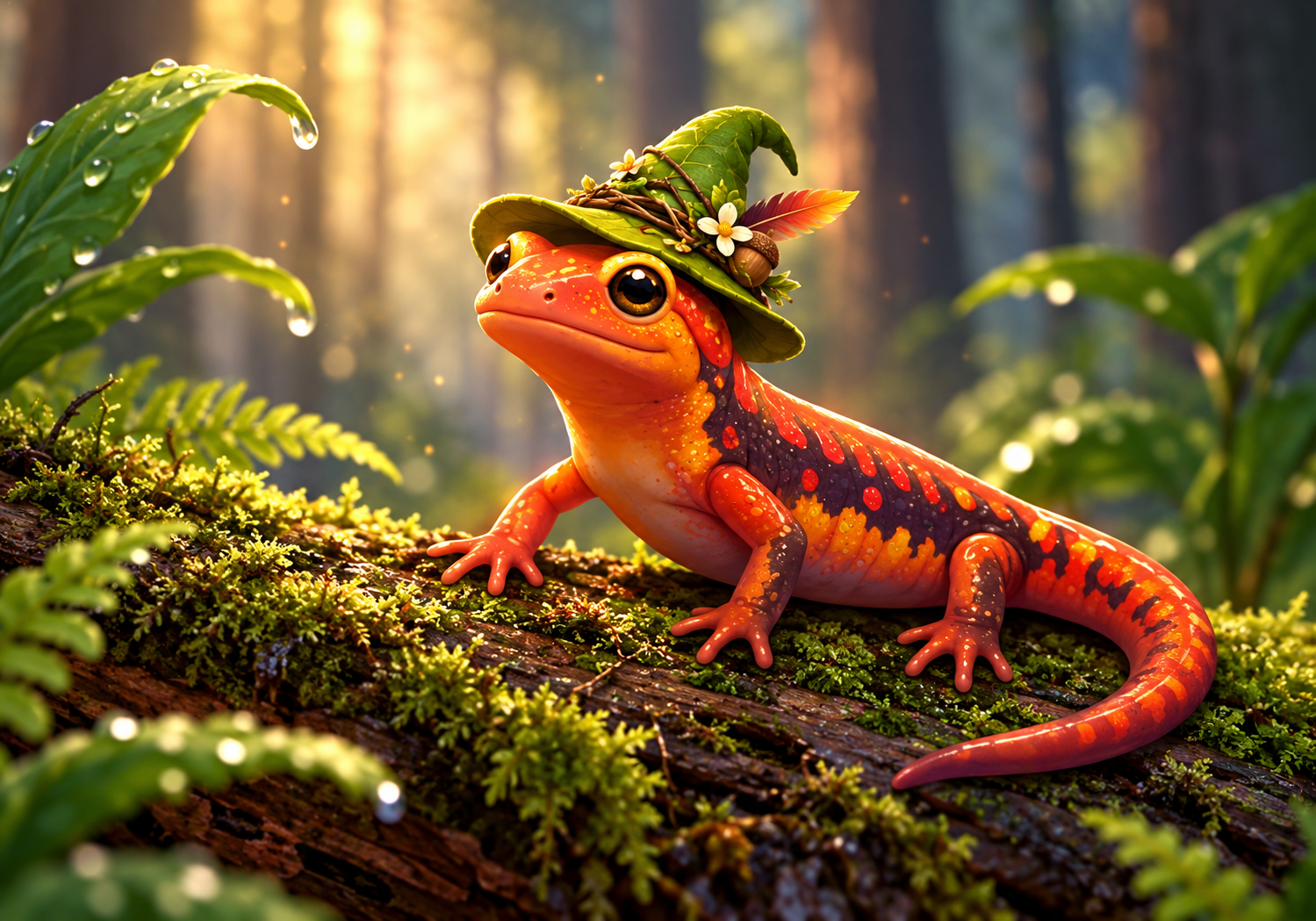
Tweeg: Wandering salamander. Tweeg demonstrates how even the smallest and quietest members of a forest community have an important place and contribute to its survival. Symbolizes: Perseverance, Quiet Strength.

Max: Gopher snake. Max helps control rodent populations, maintaining balance within the forest ecosystem. Symbolizes: Appearances vs. Reality.

Thorn: Forest ranger. Thorn represents the responsibility of protecting the forest and its inhabitants, demonstrating the importance of environmental stewardship. Symbolizes: Guardianship, Responsibility.

Elara: Forest ranger. Elara represents compassion and dedication to protecting wildlife and natural habitats, showing that caring for nature begins with understanding it. Symbolizes: Stewardship, Compassion.

Angel Amita: Forest guardian spirit. Angel Amita represents the spiritual connection between the forest and its inhabitants, reminding them of the importance of harmony and respect for nature. Symbolizes: Wisdom, Spiritual Guidance.
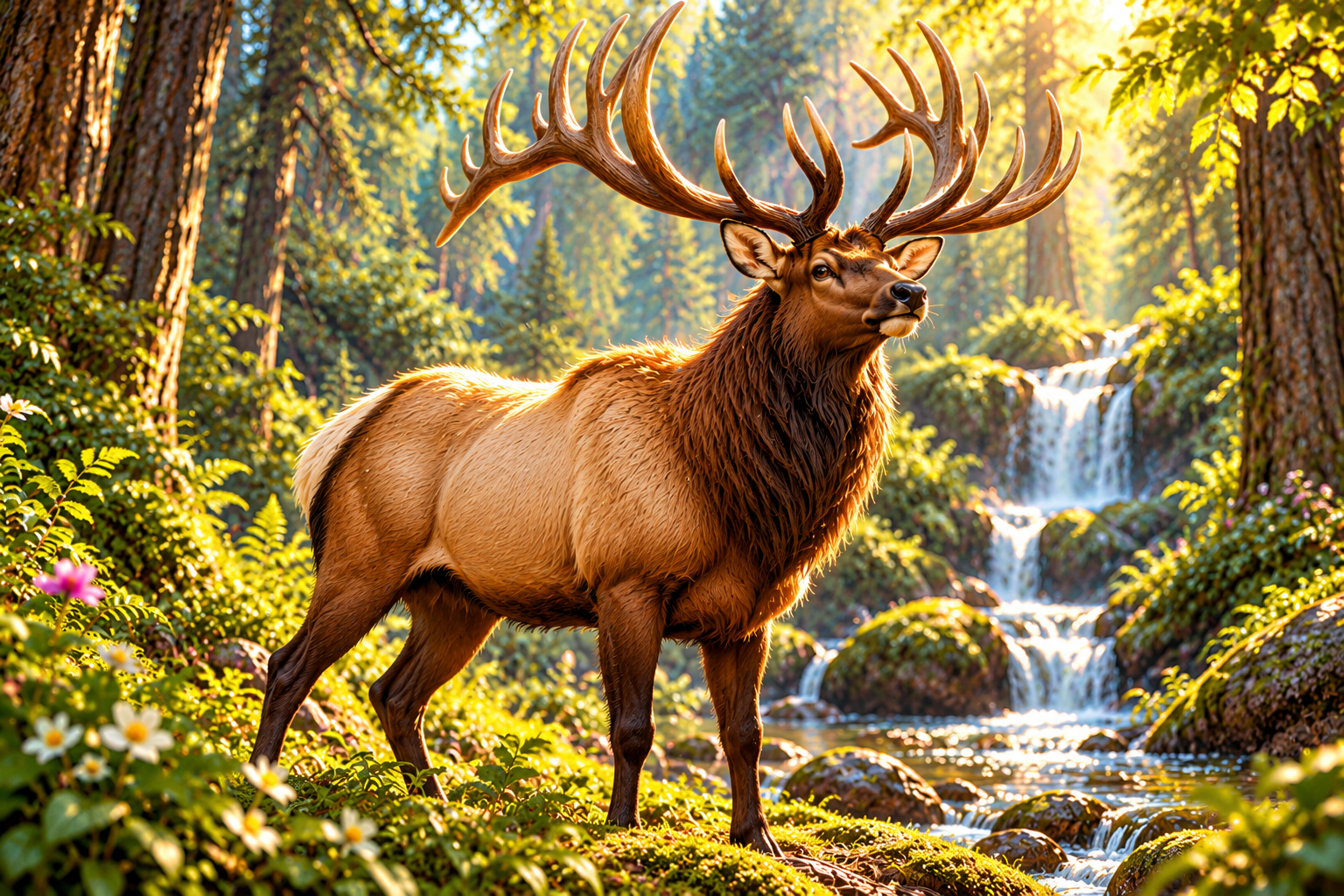
Hermes: Roosevelt elk. Hermes represents awareness and discernment, demonstrating the importance of listening, observing, and recognizing the intentions of others. Symbolizes: Caution, Trust.
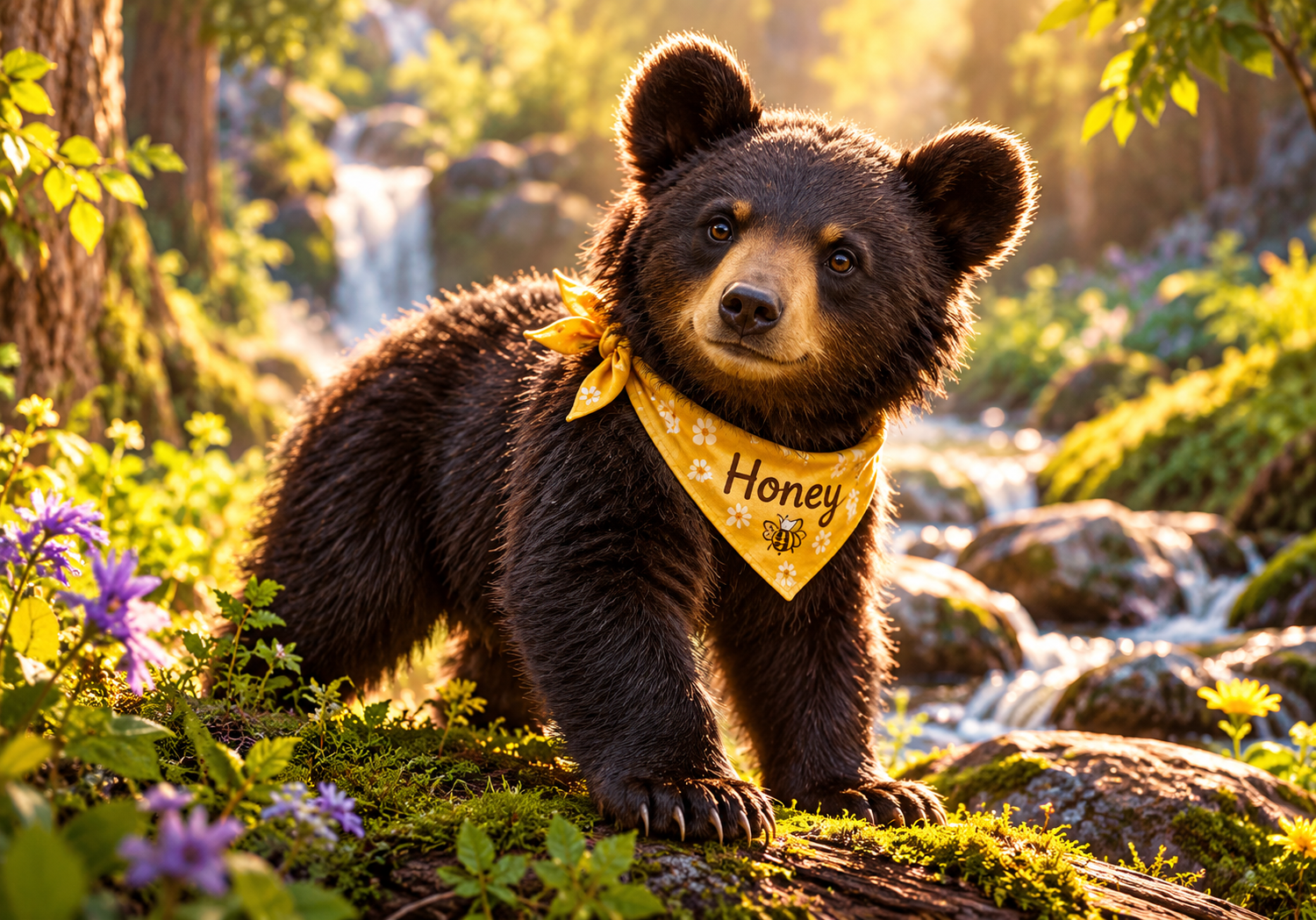
Shasha: American black bear. Shasha demonstrates that strength and gentleness can coexist, teaching that understanding and compassion are more powerful than intimidation. Symbolizes: Strength, Gentleness.
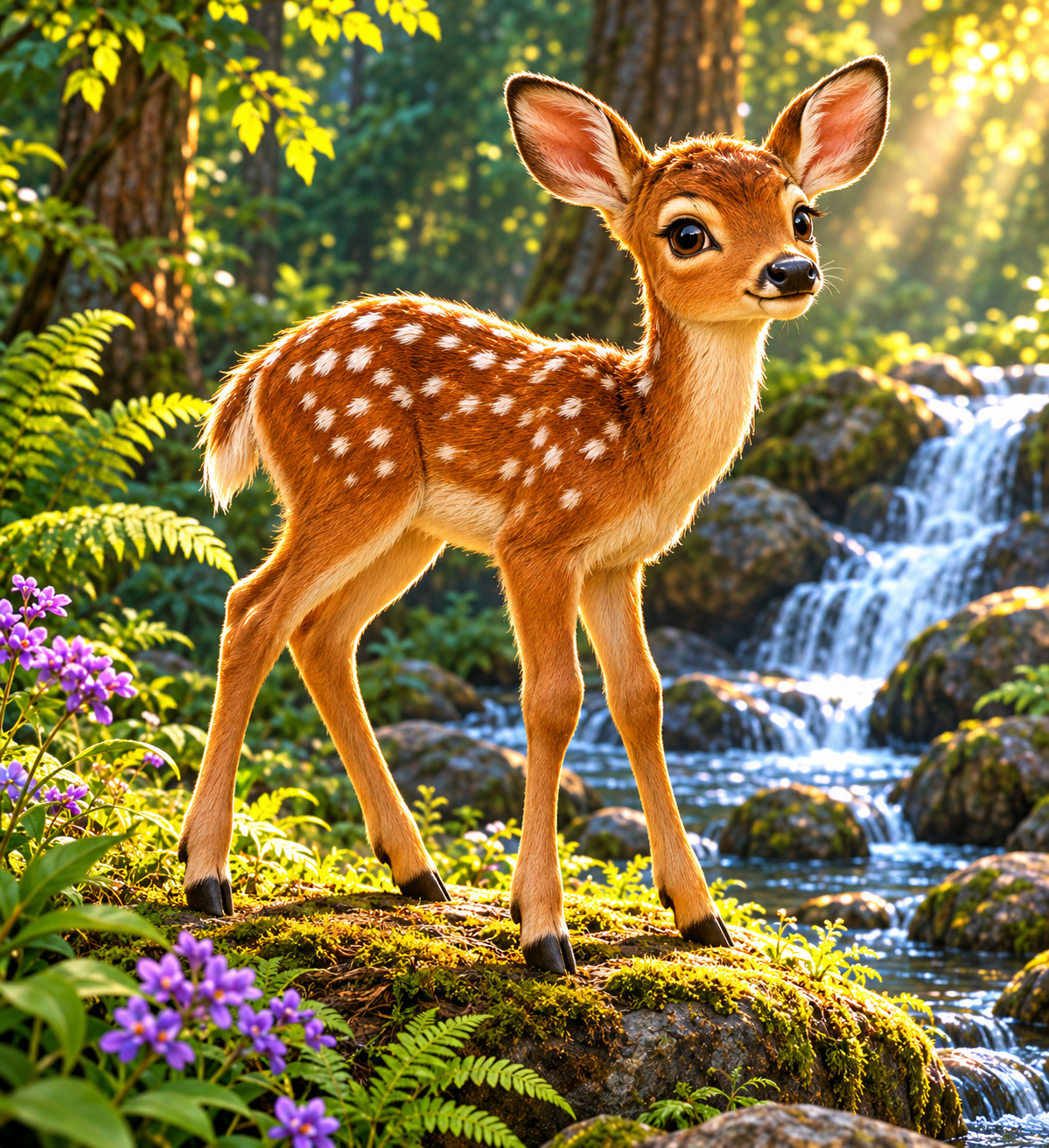
Nootka: Black-tailed deer. Nootka encourages understanding and acceptance, showing that differences need not prevent friendship or cooperation. Symbolizes: Empathy, Acceptance.
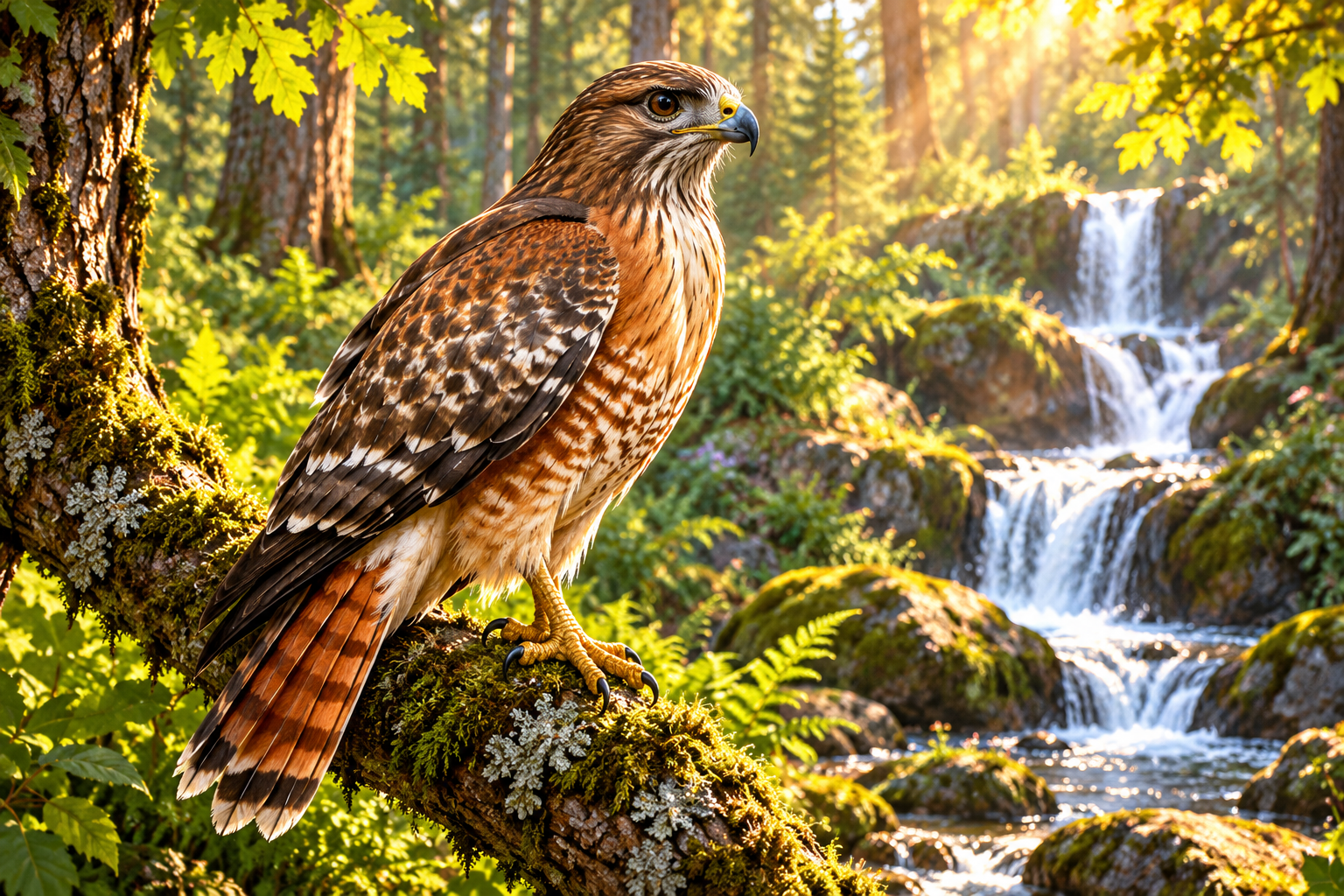
Cetan: Red-shouldered hawk. Cetan represents keen observation and awareness, reminding the forest community that perspective and vigilance help protect those around us. Symbolizes: Awareness, Protection.
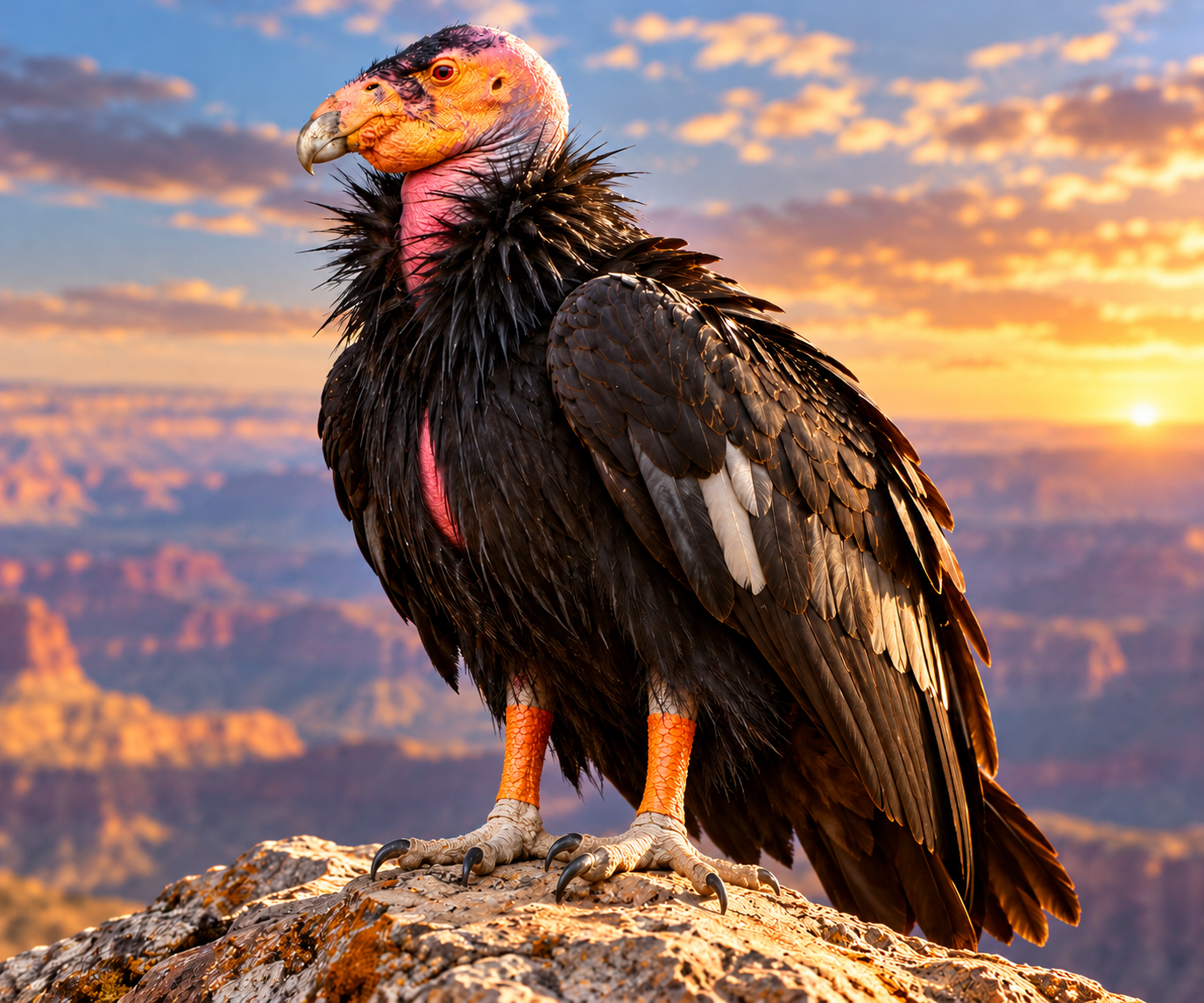
Ignis: California condor. Ignis represents renewal and the essential role of scavengers in maintaining a healthy ecosystem, showing that every creature has a purpose. Symbolizes: Renewal, Resilience.
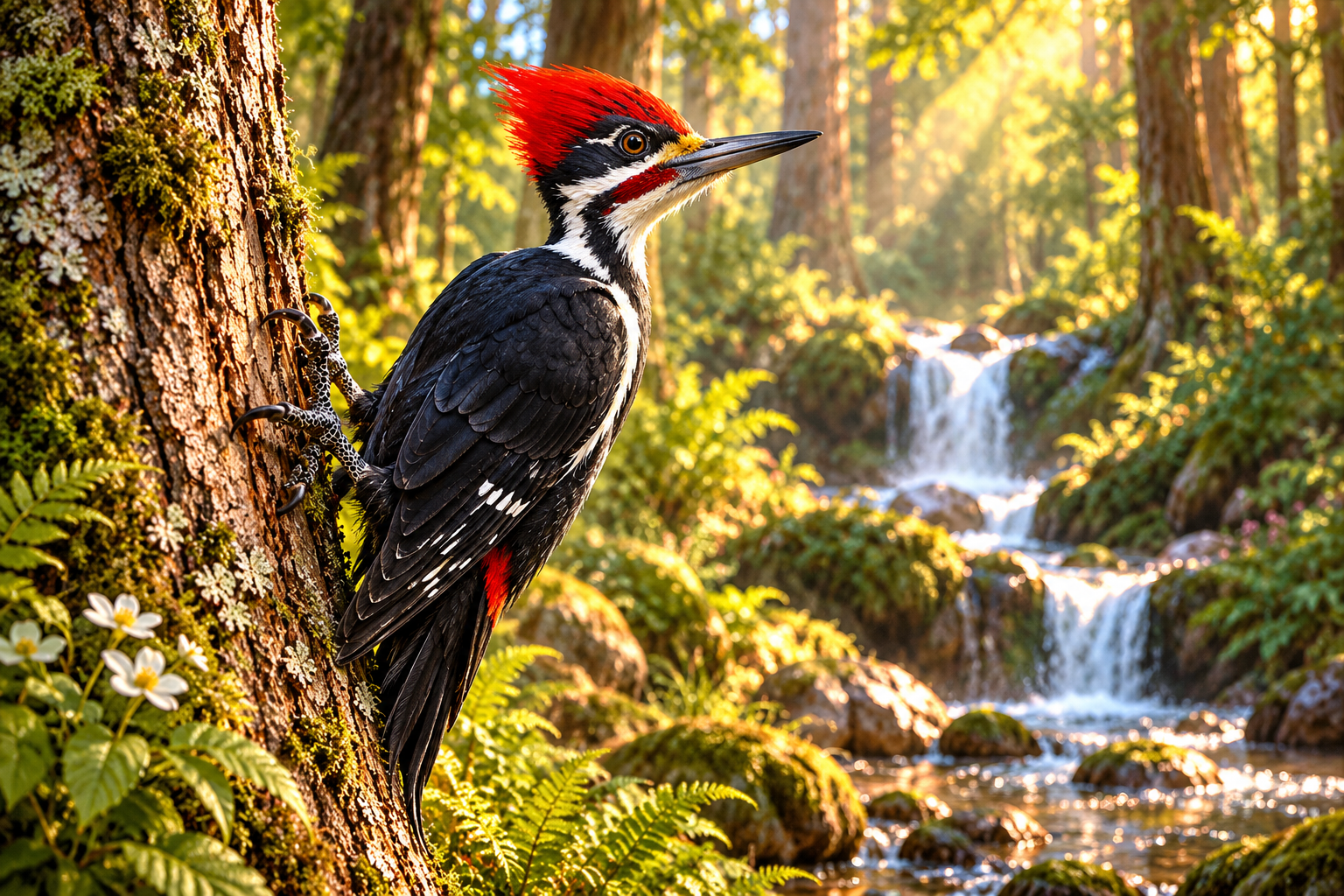
Memaw: Pileated woodpecker. Memaw demonstrates how one creature's efforts can create opportunities for many others, providing nesting cavities and shelter throughout the forest. Symbolizes: Generosity, Community.
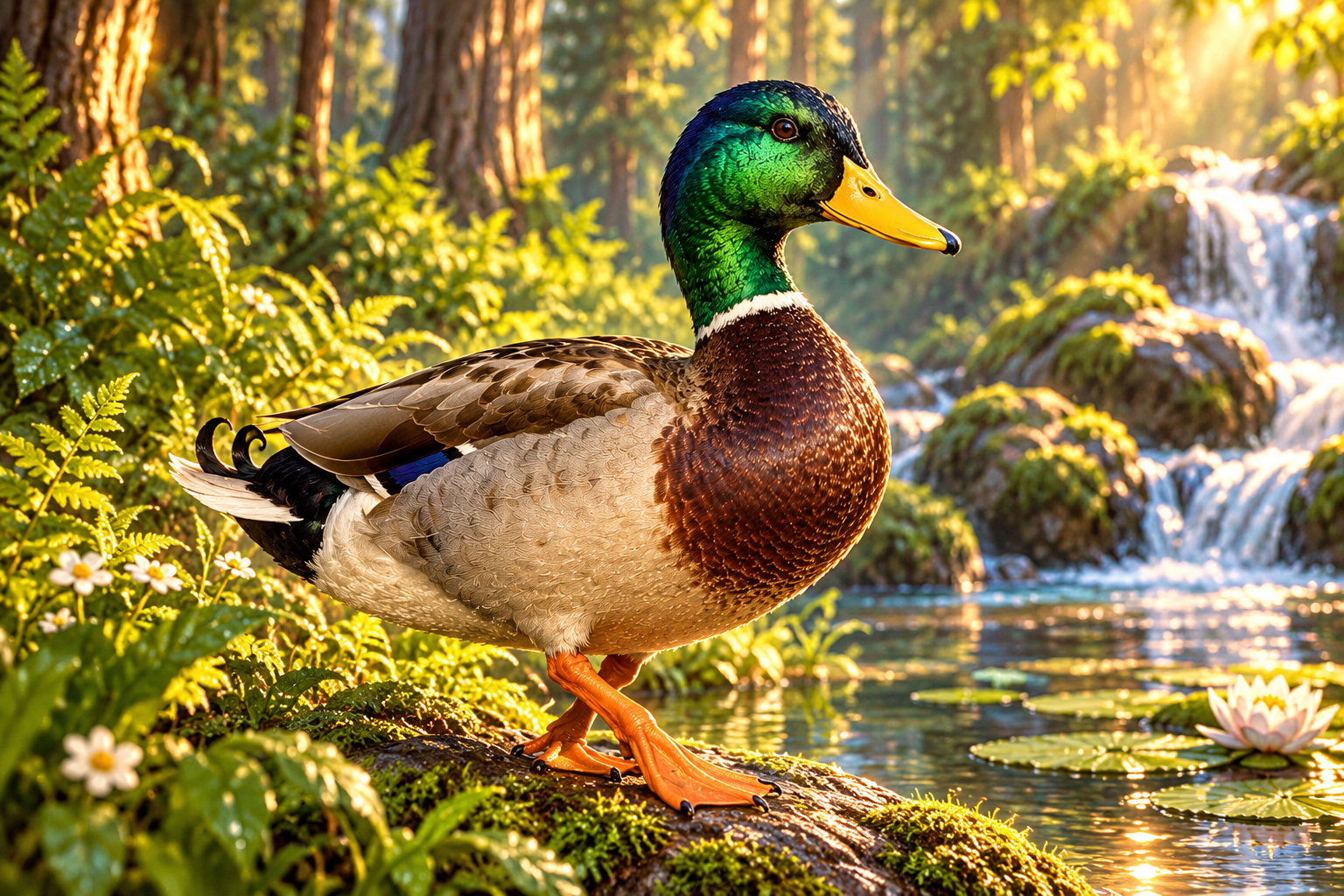
Koloa: Mallard duck. Koloa represents adaptability and the ability to navigate changing environments while maintaining a sense of balance and belonging. Symbolizes: Adaptability, Resilience.

Keya: Western pond turtle. Keya represents patience and cooperation, reminding the forest community that lasting relationships develop through understanding and shared experiences. Symbolizes: Patience, Cooperation.

Amik & Amisk coming soon in Book 2: At The Forest's Edge

Amik the Mountain beaver. He's an ecosystem engineer who create wetlands and habitats that support countless plants and animals.
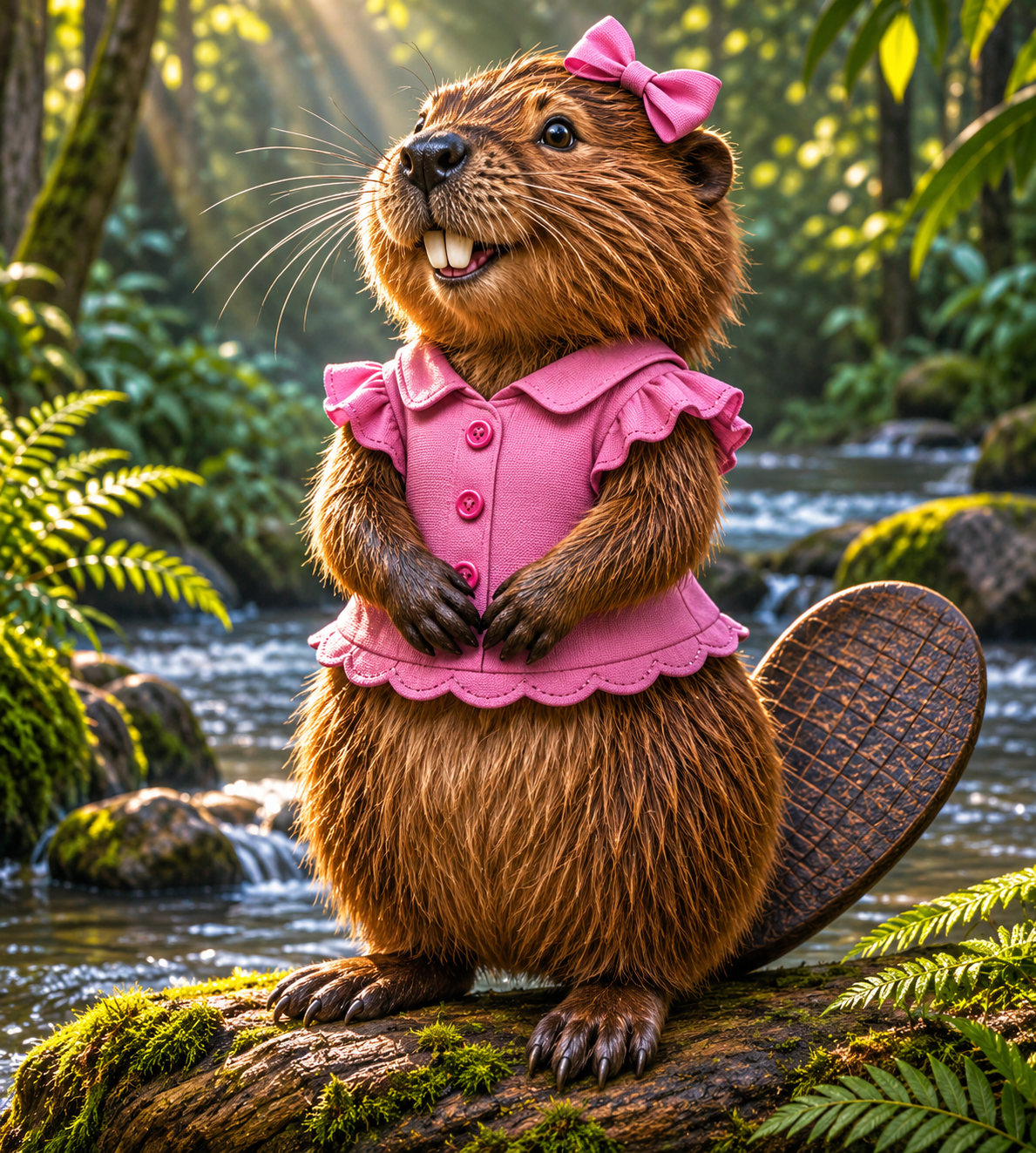
Amisk the Mountain beaver. She's Amik's sister and an ecosystem engineer who builds wetlands and habitats that support the forest and wildlife.
Developer/Learning Benefits
The characters of Blackwood Forest help children develop emotional intelligence by exploring qualities such as empathy, patience, courage, acceptance, cooperation, and responsibility. Through each character's unique personality and experiences, young readers learn to recognize emotions, appreciate differences, build friendships, and understand the value of helping others.
The characters also introduce new vocabulary, ecological concepts, and meaningful connections between nature and everyday life. By associating these lessons with memorable woodland personalities, children develop language skills, curiosity, critical thinking, and a deeper appreciation for the interconnectedness of all living things.